




























How Blockchain Technology is Transforming Online Gambling: A UK Player's Guide to Choosing a Safe and Fair Crypto Casino in 2026
How Blockchain Technology is Transforming Online Gambling: A UK Player's Guide to Choosing a Safe and Fair Crypto Casino in 2026

I've spent a fair chunk of this year knee-deep in crypto gambling forums, timing withdrawals with a stopwatch (not literally, but close), and squinting at licensing pages until the text blurred. And here's what struck me: blockchain stopped being a niche curiosity somewhere along the way. It's now genuinely reshaping how UK players think about online gambling. Not just Bitcoin deposits anymore — it's verifiable fairness, near-instant payouts, and a level of transparency traditional casinos have never quite managed to match.
What Is a Crypto Casino? Understanding Blockchain-Based Gambling
Strip it down to basics and a crypto casino is simply an online gambling platform that takes Bitcoin, Ethereum, or various stablecoins — instead of, or alongside, regular fiat. But that's the surface story. The real difference sits underneath: many of these platforms run on public blockchains, so in theory, every bet, spin, and payout can be traced and checked by anyone willing to do the digging.
If you grew up watching high-street bookmakers move online, this probably feels like a different planet. No quiet authority nudging odds behind closed doors — at least not in theory. Code does the heavy lifting instead, and the rules get baked into the system rather than buried in a terms-and-conditions page nobody reads.
How Blockchain Technology Powers Modern Casinos
The engine room of most crypto casinos boils down to a handful of components. Smart contracts — self-executing code living on a blockchain — handle everything from processing bets to releasing winnings the moment conditions are met. No human intervention. No waiting on a payout team to rubber-stamp your withdrawal on a groggy Monday morning.
Then there's the decentralized ledger, recording transactions across a distributed network rather than sitting quietly in one company's private database. Tampering gets a lot harder this way, since changing a single record would mean rewriting the entire chain across thousands of nodes at once. Good luck with that.
Probably the most interesting bit for skeptical gamblers is provably fair algorithms. These let you check, mathematically, that a game's outcome wasn't rigged after the fact. I'll admit — the first time I verified a dice roll's fairness using a cryptographic hash, it felt oddly satisfying. Like getting actual proof instead of just another promise.
Why UK Players Are Turning to Crypto Casinos in 2026
UK attitudes toward digital currencies have shifted, and not subtly. What used to get dismissed as speculative nonsense by older gamblers now gets a cautious, curious look — especially from younger players who already hold crypto for other reasons anyway. Add faster transactions and less banking friction into that mix, and it's not hard to see why interest has climbed.
There's also access to think about. Some blockchain-based platforms carry games or providers you simply won't find on UK-licensed sites, whether that's down to regulation or plain commercial deals. Throw in privacy perks — crypto transactions don't always demand the same personal banking disclosure — and you've got a genuinely compelling package for players who value discretion as much as convenience.
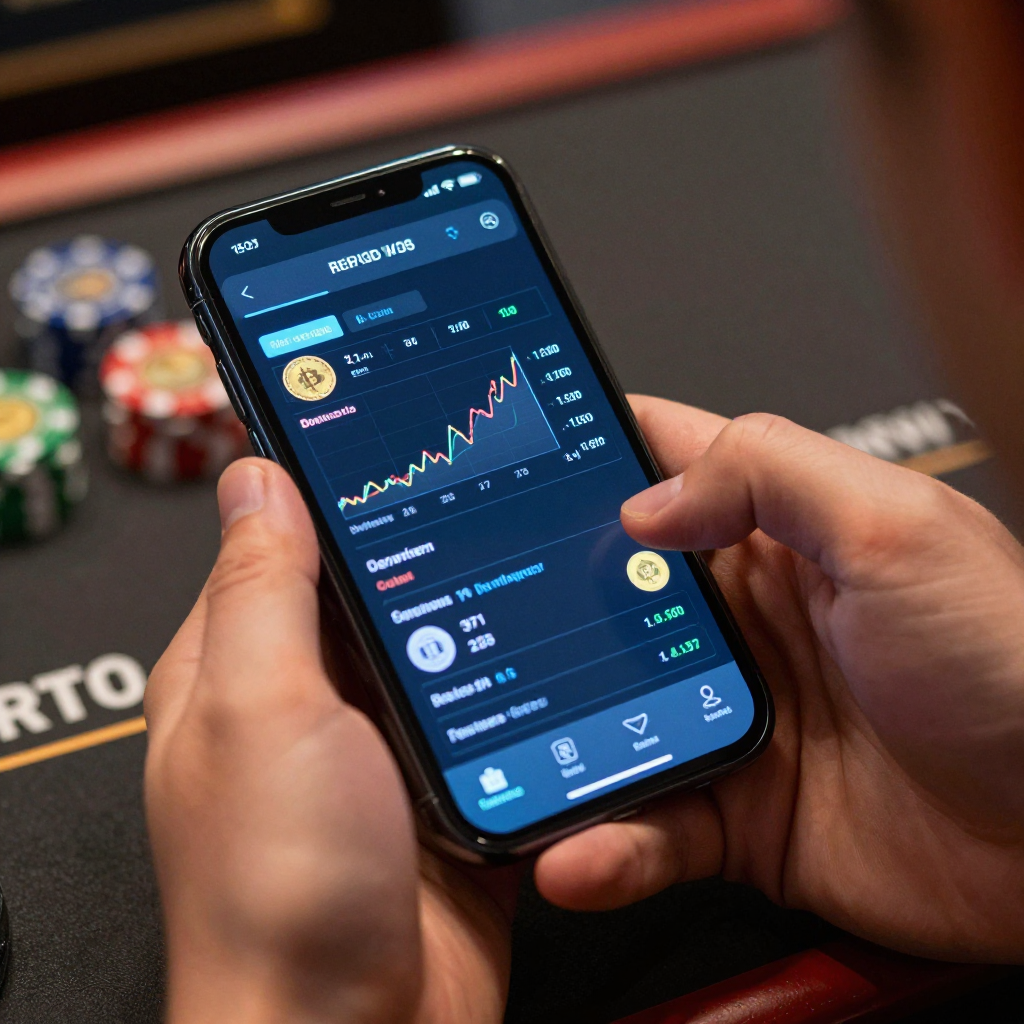
Key Benefits of Blockchain in Online Gambling
Past the novelty, blockchain brings some real, practical upside to the gambling experience. Worth separating hype from substance here, though — not every claim on a promotional casino page survives a bit of scrutiny.
Provable Fairness and Transparent RNGs
Traditional online casinos ask you to trust their random number generators are fair, usually propped up by third-party audit certificates that almost nobody reads cover to cover. Blockchain-based games flip that arrangement. With provably fair systems, seed values used to generate outcomes get hashed and shared before a game starts, then revealed afterward so you can check independently that nothing was manipulated. Small technical detail. Big psychological difference when you're deciding whether to trust a platform with your money.
Faster Payouts and Lower Fees
I've personally waited three to five business days for a withdrawal on a conventional UK site — only to have a crypto withdrawal clear somewhere else in under ten minutes. That's the gap blockchain settlement can create. Fast. Genuinely fast. And since transactions skip traditional banking intermediaries, fees often come in lower too, particularly on bigger withdrawals where percentage-based charges would otherwise chew into your winnings.
Risks and Regulatory Considerations for UK Players
None of this comes free of caveats, though. Crypto volatility means the value of your winnings can swing hard between the moment you win and the moment you cash out to fiat. There's also the less comfortable reality that plenty of crypto casinos operate entirely outside UK jurisdiction, which changes what protections are actually available if something goes sideways.
UK Gambling Commission Rules on Crypto Gambling
The UK Gambling Commission has stayed fairly consistent on this: operators serving UK residents need a UK licence, crypto or fiat, doesn't matter which. Platforms running without one sit in a legal grey zone, and UK consumer protection laws generally won't step in if disputes crop up. That doesn't automatically mean every offshore crypto casino is untrustworthy — but it does mean you're carrying extra risk without the safety net regulated operators provide.
This is where independent research and player-protection work actually earn their keep. Organisations studying blockchain gambling harm-reduction and responsible play across EU and UK markets tend to offer a far more balanced view than marketing copy ever will — they're useful for understanding what real safeguards look like versus what's just advertised as one.
How to Choose a Safe and Fair Crypto Casino
Given how mixed the regulatory picture is, doing your own homework before depositing matters more here than almost anywhere else in online gambling.
Checklist: Licensing, Security, and Fairness Verification
- Confirm licensing details directly with the issuing authority rather than trusting a badge on the homepage
- Check for SSL encryption and look into how the platform stores and secures crypto wallets
- Look for published smart contract audits from recognised third-party security firms
- Search independent forums and review communities for genuine player experiences, not just testimonials on the site itself
- Test customer support responsiveness before depositing significant funds
Common Mistakes UK Players Should Avoid
A handful of errors keep showing up in player complaints, over and over. Ignoring KYC and AML requirements tops the list — some players assume crypto means permanent anonymity, then get frustrated when verification finally gets requested at withdrawal time. Chasing unlicensed sites purely for oversized welcome bonuses is another classic trap; unusually generous offers tend to hide unfavourable wagering terms in the fine print nobody bothers scrolling to.
Underestimating crypto volatility is easy to overlook too — winning big in crypto terms doesn't guarantee the same value once you actually convert it. And honestly, too many players skip responsible gambling tools altogether, assuming the decentralized nature of these platforms somehow means fewer safeguards are needed. It's usually the opposite.
FAQ – Crypto Casinos and UK Regulations
Is crypto gambling legal in the UK? Using cryptocurrency itself isn't illegal, but gambling operators need proper licensing to legally offer services to UK residents.
How is fairness verified on-chain? Through provably fair systems using cryptographic hashes that players can check independently after each game round.
What happens if a crypto casino is hacked? Recovery depends heavily on the platform's security practices and whether funds were held in cold storage; unregulated sites often offer little recourse.
How do UK players report issues? For UK-licensed operators, complaints go through the Gambling Commission; for offshore platforms, options are more limited and often rely on community pressure or dispute resolution services.
Conclusion
Blockchain technology has genuinely changed what's possible in online gambling — transparency and speed that traditional platforms have struggled to keep pace with. But for UK players, that innovation arrives with real responsibility attached: understanding licensing gaps, checking fairness claims yourself instead of taking them on faith, and staying realistic about crypto's volatility. My honest takeaway after all this digging is fairly simple. The technology impresses me. Still, due diligence matters just as much as it ever did — maybe more. Choose transparency over hype, keep an eye on regulation, and keep responsible gambling front and centre as you explore whatever 2026's crypto casino landscape throws at you.