


















Theatre Hall 13
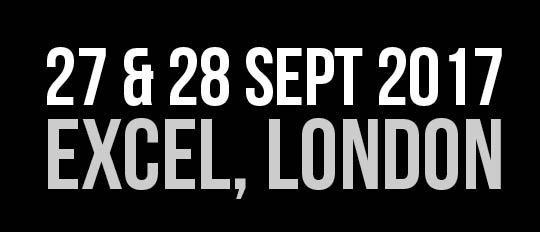
Wednesday 27th September
Thursday 28th September
11.15 - 11.45
Dr Ken Scally & Amy Parekh-Pross
Advances in Air Testing & Environmental Forensics for Contaminated Sites.
This talk provides a useful update into how the recent advances in Air Testing & Environmental Forensics, can be of significant benefit to Environmental Consultants and Contractors working on complex contaminated sites. This seminar goes on to discuss the advantages of these developments in terms of data accuracy, sensitivity, more chemical information, tolerance to interference, as well as covering the uses of these techniques e.g. Environmental Forensics for source / contamination matching.
12.00 - 12.30
Joanne Kwan
Asbestos from soil - what is next to help you?
This seminar will discuss the recent guidance on asbestos from soil, how they have helped the industry and what more will be available to help those who are at most risk.
12.45 - 13.15
Ben de Waal
Tax Incentives for Brownfield Development – Best Practice for Developers
The seminar session will provide a summary of the key entitlement and eligibility criteria for the tax incentives associated with brownfield development and will provide an overview of best practice approaches to maximise the tax relief available including an insight into current Inland Revenue practice. The session is aimed at property developers, local authorities and land owners as well as environmental consultants and those procuring and delivering remediation works.
13.30 - 14.00
Peter Dumble
Using real-time monitoring for rapid assessment of remediation strategy effectiveness
In this case study, designed to detect the distribution and direction of travel of an injected colloidal remediation agent, a predicted monitoring timeframe of 18 months was reduced to 3 months. This was possible by the innovative deployment of water quality sondes collecting high resolution turbidity data in real time. As a result, technical and cost-saving decisions on the effectiveness of the programme were made over a year earlier than expected.
14.15 - 14.45
Tony Thompson
After Grenfell – the renewed need for emergency preparedness
The fire at Grenfell Tower has demonstrated the need for effective emergency preparedness, and the importance of planning prior to an emergency, combined with realistic training and exercising to ensure those who respond are competent in their roles. The seminar will consider what needs to be done to provide reassurance to our communities that those organisations with statutory duties, are well prepared to help them before, during and after an emergency.
15.00 - 15.30
Goedele Verreydt
Intergrated Passive Flux Meaurement in Groundwater
The monitoring and management of groundwater flow is a challenge. iFLUX developed a groundwater monitoring solution to explore speed and direction of pollution flow underground over a certain period. Trustworthy flux results provide soil experts key insights to reduce the risk and uncertainty of soil contamination management. During this seminar we will present the added value of using flux results at several existing reference cases.
15.45 - 16.15
Philip Norville
Understanding UXO risk on your construction project
Every year the construction industry uncovers significant numbers of items of unexploded ordnance on projects. UXO is a known risk to construction projects and risk evaluation and appropriate mitigation should be undertaken. This seminar explains the difference between preliminary and detailed UXO risk assessments and when such reports should be commissioned. It also explains the recommendations these reports may make.